Phoebe English has become one of the most thoughtful voices challenging fashion’s traditional systems. Known for her emotionally intelligent design language and pioneering approach to sustainability, the London-based designer has built a practice rooted in transparency, craftsmanship, and responsible production.
Her work moves beyond trends, asking deeper questions about how clothes are made, who makes them, and what the future of fashion should look like. In this conversation, Phoebe English reflects on the realities behind sustainable fashion, the urgent changes the industry still needs to make, and how emerging designers can create meaningful work without compromising their values.
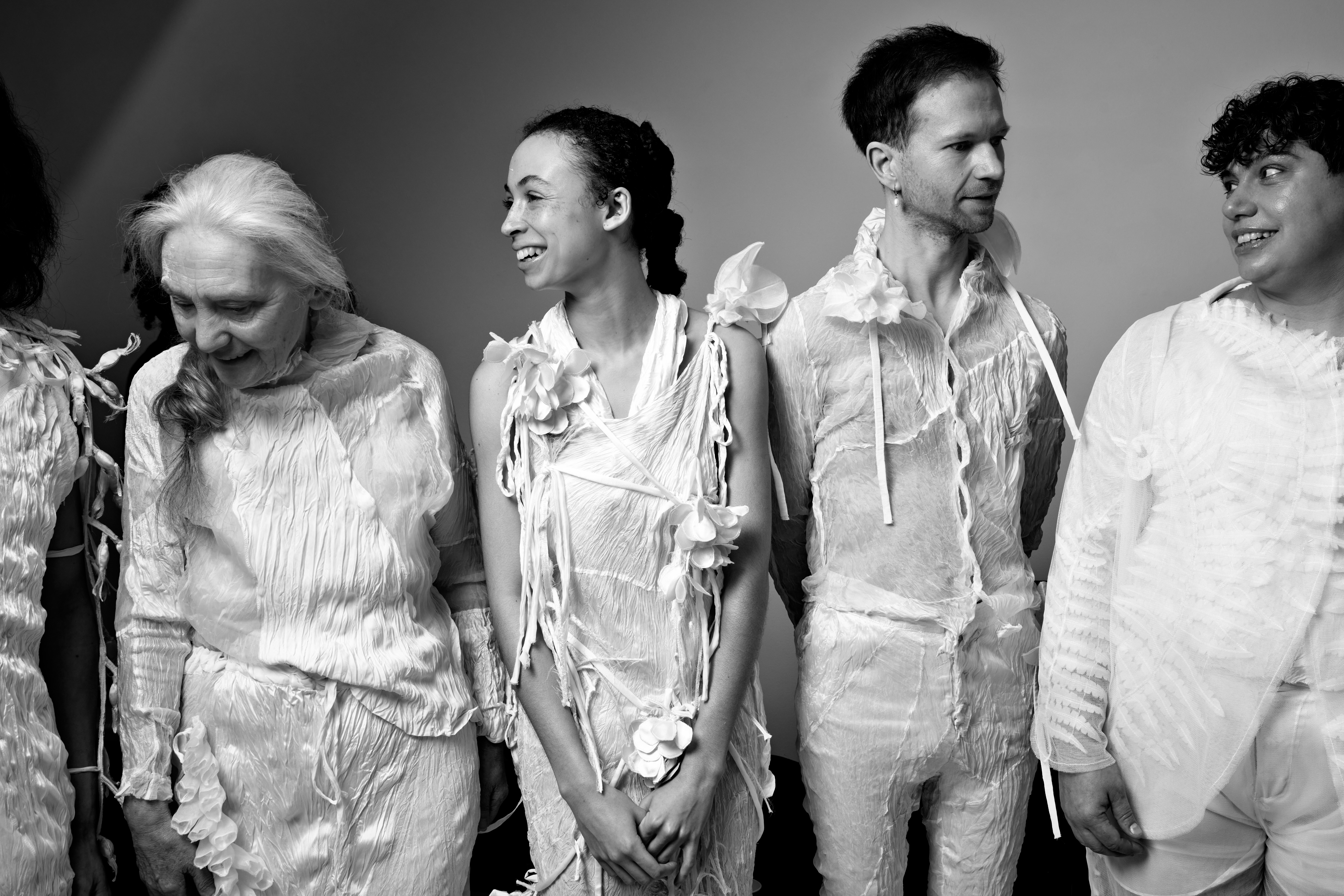
• Hey Phoebe, for people meeting you for the first time, how would you describe yourself and where life’s at for you right now?
– I live and work in Southeast London where my studio is located, balancing time between designing with my team and nurturing my little family. I live and work in Southeast London where my studio is located, balancing time between designing with my team and nurturing my little family.
• As a designer, how would you describe the journey you undertook to get to where you are today, the challenges and memorable milestones?
– Throughout my career I’ve transitioned in many ways. Going from exploring very expressive textiles and womenswear after graduating my MA in Fashion Design and knitwear at Central Saint Martins in 2011 to gradually shifting towards considered material constructions, zero waste solutions and bringing in menswear in symbiosis with womenswear. I mostly wear men’s clothing myself, so it felt natural to incorporate that into my collections.
Today my studio is a place of exploration where source and destination are at the heart of everything we do.
We have partnered with likeminded businesses looking to avoid their textile waste, biodynamic and regenerative landowners for foraging alternative and natural colour sources amongst other exciting developments. The studio is on a constant journey towards sustainable circular design.
• As a textile and print designer who loves colour, I’m curious to hear about your philosophy around your choice to keep most of your collections print free?
– I focus on what I do best, I’m just not a very good print designer. My skillset lies within fabric construction and
the decorative depth of cut-outs, overlays and the combination of textures.
• You supported a proposition for a systemic reset of the fashion industry’s practises to the 2021 United Nations Climate Change Conference (COP26) climate conference. Since then, what changes have you observed, if any?
– It was such an exciting time back then with lots of buzz around re-setting the system, Extinction Rebellion was taking positive action and global communities where advocating for alternative ways to do fashion, it felt like we finally realised the urgency to make a change. Sometimes I feel optimistic but on the other hand it can sometimes feel like nothing much has changed as businesses continue to produce faster and faster. So far there’s not a viable blueprint or clear guidance from governing bodies that companies, small or big can adapt to easily change their way of working.
• In what areas and in what aspect do you feel most urgency about to put focus on to educate and inspire young fashion designers today?
– To explore opportunities to repurpose, find new ways of doing fashion and encourage building of different value systems that benefit our environment creating a sound future for fashion.
We talk about scaling as the ultimate progression of a brand, but to set ways of replicating healthy actions that work on small scale for many also holds positive difference.
• Throughout your career, what are some memorable characteristics of other women that has influenced and inspired you?
When Dover Street Market stocked my collections, I met the founder, Rei Kawakubo. I have always admired her ability to work as a stand-alone artist whilst still running an incredible business.
• What are your views on AI, both in terms of environmental and creative impact?
– I feel I need to know more about AI developments to make a sound judgement, but in abstract terms it does make me a bit fearful and nervous about the long-term implications to so much of our world and how we interact with it.
• Can you list your 3 work non-negotiables you wish that the fashion industry adapted?
– I try hard to always consider our choice of material, and how that choice can affect the end point of the product. We have now replaced almost all our virgin materials to repurposed or recycled alternatives.

• Where do you think your brand is headed in the next 5 years?
– I wish I knew! Times are unsettling for many smaller fashion brands now, studio spaces in London are expensive and it can be a struggle to keep things afloat, but hopefully we’ll keep going strong.
• And finally, can you tell me how you get inspired when you need a boost?
– Taking the compost out to my allotment!
Photos: Asia Werbel
Text: Lina Hellgen.