Mariona Ferrandiz PhD in population ecology, has been working in urban ecosystems for years, studying their biodiversity and the important value for our well-being.
The presence of a wide variety of species in urban areas is a key factor in determining our quality of life. It’s known that urban structures impact physical factors like temperature, wind, levels of greenhouse gases, and pollutants, which is why the importance of green in cities.
Large parks and natural spaces within cities are not only wonderful places for people to enjoy, but also serve as vital habitats and feeding grounds for plants, birds, and pollinating species. Cities host more biodiversity than we might think, providing a habitat for around 20% of the world’s bird species and 5% of vascular plant species.
A sustainable city allows wildlife and ecosystems to thrive, while also promoting the well-being of its residents. Some argue that simply observing nature can lead to relaxation and reduce stress levels. Spacious and quiet areas with natural characteristics also seem to encourage more physical activity, prevent mental illnesses, and promote children’s development.
We explore how our urban fabric has been shaped by biodiversity and look forward to discovering how our cities will rise to meet the challenges of the future with Mariona Ferrandiz Rovira.
How do you define your work?
I am a biologist working on urban biodiversity issues.
That is, I’m looking at what other species live in the city besides humans, dogs, and cats, which are our pets. My work consists of analyzing the species composition and green space characteristics in urban areas to help conserve biodiversity, which is currently facing a crisis”.
Let’s say that greenery is a very important element in cities, providing benefits to people and contributing to the conservation of biodiversity, which is in crisis.
The interesting part is to look at it in a more holistic way. Looking at the whole range of species, the configuration of spaces, not just the surface area of greenery, but the characteristics of that greenery not just the surface area. Working with collaborators, we also look at the positive effects of green spaces on people’s health and comfort..
What is the first thing to consider in terms of biodiversity in a city?
– What species groups are present? Does it function as an ecosystem?, or are there only isolated species present, without completing the life cycle. Looking at the set of species, the configuration of the spaces as they are, is not so much the surface of the green but the characteristics that these green have, what are the groups of species, if it functions as an ecosystem or if there is only the presence of some. species, isolated and the cycle of life is not closed. And with collaborators we do it in a more holistic way because in addition to looking at this quality of green space, also the positive effects on people’s health and comfort and that is why we look at all these parts, how affect towards citizens.
Analyzing the differences between a site with one type of greenery and another with a different type, and how it affects people’s health, capturing air pollutants, and city noise. We analyze the characteristics of each city and ensure that vegetation follows its natural cycle.
Have you noticed any changes in cities in recent years?
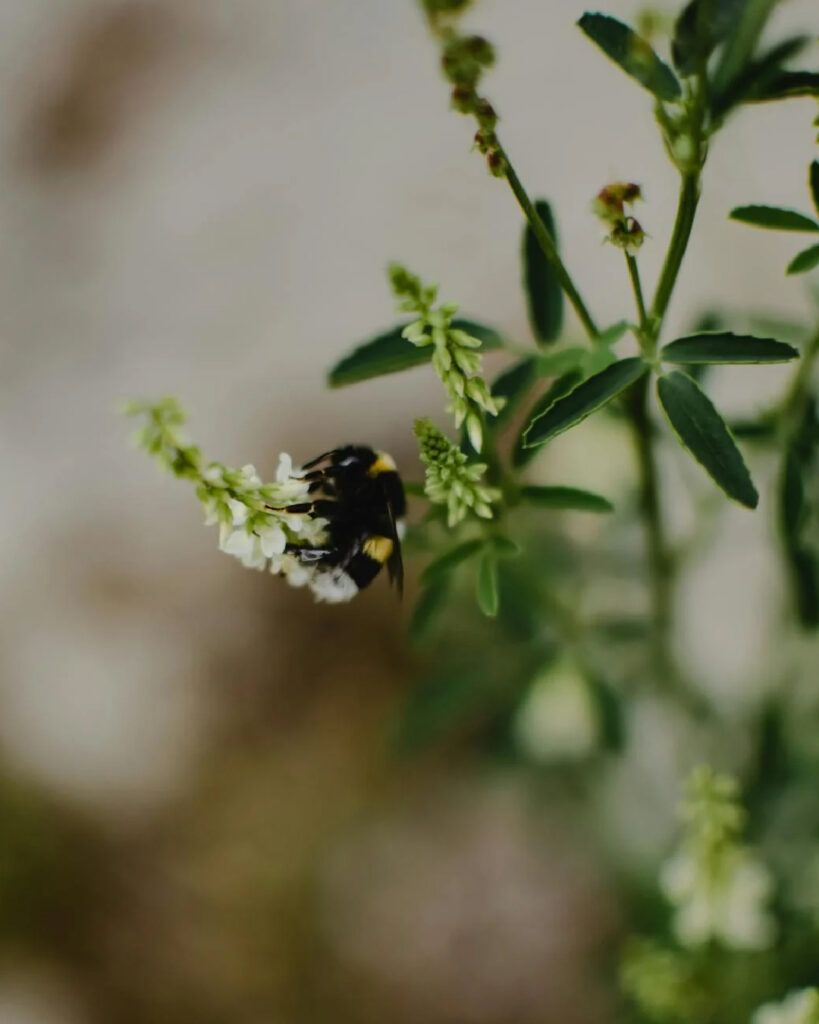
– Yes, for example, not applying herbicides is causing a significant change, with flowering herbs appearing. Previously, there was more of a tendency to think of grass-like herbs, but leaving flowering herbs provides food for many pollinating animals, creating a space in the city where they can eat, take refuge, and live.

Cities are one of the factors that contribute most to climate change, according to UN-Habitat, cities consume 78% of the world’s energy and produce over 60% of greenhouse gas emissions. Are measures being taken?
– If we want to address global climate change, it involves taking actions, and one of those actions is making changes in cities. Local governments want to mitigate the effects of climate change because it affects people’s health, respiratory diseases, premature deaths… This is the highest reason for why they want to make a change.
What contribution can we as citizens make to improve the quality of life in our cities?
One way we can all contribute is by creating a small green area in our homes with plants that connect to the outside or by initiating a vegetable garden. Adding any green element to our personal space is a positive step forward. Additionally, we can seek out groups that advocate for the restoration of nature people who support renaturalization efforts in streets with heavy traffic or where new parking lots are being built. You can be a voice for change with your family and friends.. We can all be agents of change.